

Why Swim Safety Matters for Every Child
Many families love spending time around water, from pool days to family trips and outdoor adventures.
As a parent, keeping your child safer around water often means thinking beyond supervision and preparing them for real situations.
Swim safety is built through a combination of awareness, consistent habits, and the ability to move with control in the water. When these come together, your child is better prepared to handle different environments with more confidence.
Key Swim Safety Habits to Build Early
Establishing healthy water habits early helps reduce risks and sets a standard for safer behavior. These daily behaviors should become second nature for parents and swimmers.

Active Supervision at All Times
Younger swimmers should stay within arm’s reach whenever they are in or near water. This allows you to respond quickly if needed.
In group settings, assigning a designated watcher helps maintain consistent supervision. It also helps to avoid distractions like phones or side conversations, so your attention stays on your child.

Build Consistent Skills Through Structured Swim Lessons
Along with supervision, one of the most effective ways to build water competence is through a steady routine.
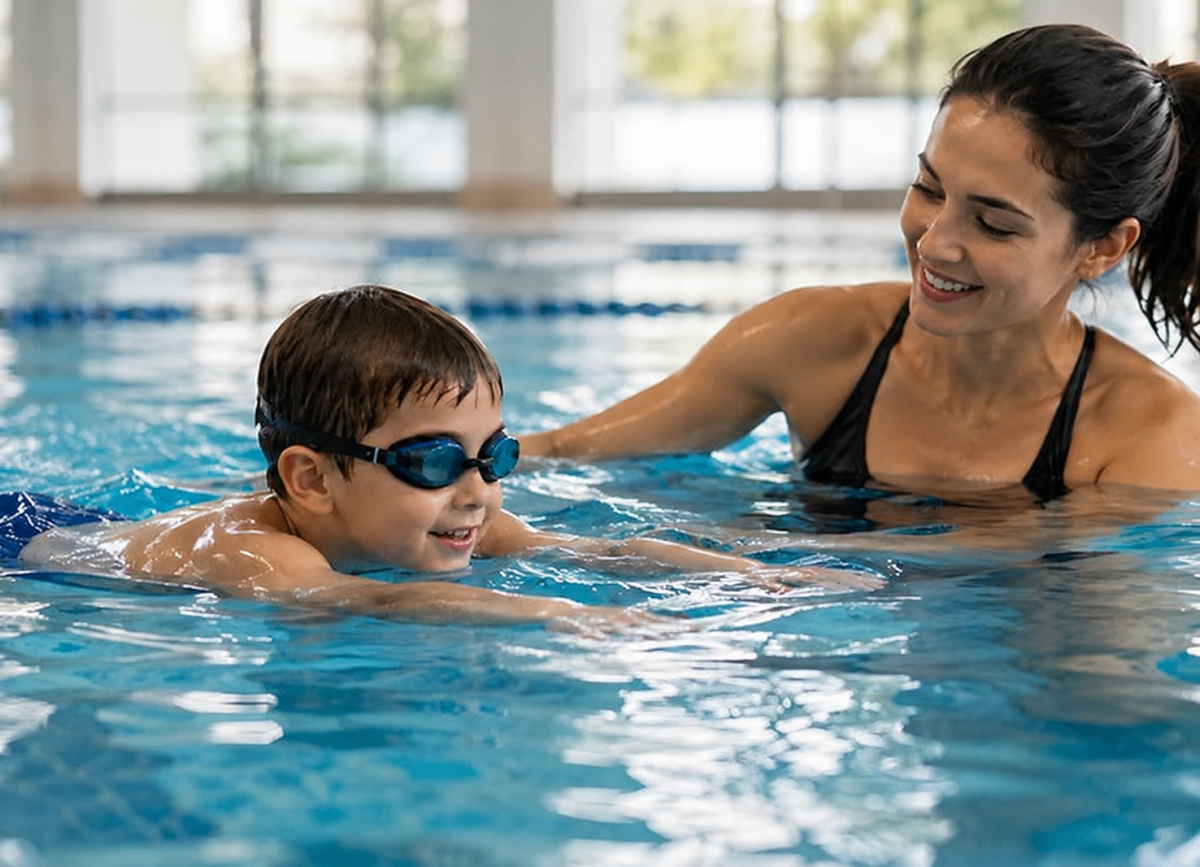
Many parents find that private, 1-on-1 swim lessons provide the focused, calm environment children need to really absorb skills.
It’s also normal for kids to forget or lose some of those skills over time (called swim regression), especially after breaks. Keeping lessons consistent helps reinforce what they’ve learned, so it becomes more natural when they’re back in the water.

Set Clear Water Rules
Children respond well to simple, repeatable rules. Clear expectations help reduce confusion across different environments.
You can start with:
- No running near pools: Helps prevent accidental slips on wet surfaces.
- Ask before entering: Ensures an adult is ready to supervise.
- Swim only with permission: Reinforces that water entry is never a solo activity.
Reinforcing these rules regularly helps your child follow them when it matters.

Learn to Recognize Risk Situations
Not all water environments are the same. Some require extra attention from you as a parent.
Pay closer attention around:
- Pools without barriers or secure gates
- Open water like lakes, beaches, or rivers
- Crowded swim areas where visibility is limited
Being aware of these situations helps you stay more prepared.
When to Start Swim Lessons & Why It Matters for Safety
Many parents choose to start swim lessons as early as 6 months, depending on their child's readiness. Early exposure can help your child feel more comfortable and less hesitant in the water.
As your child grows, lessons can introduce skills that match their development. This allows them to build comfort first, then gradually improve control and coordination.
Over time, consistent lessons help reinforce familiarity, routine, and safer responses in the water. Progress may be gradual, but steady practice supports stronger long-term habits.
How Swim Lessons Build Safer Skills in the Water
Formal lessons bridge the gap between being "comfortable" in water and being "competent." They give your child the opportunity to develop control and awareness, helping them respond more effectively in various situations.
As they practice consistently, your child may learn how to:
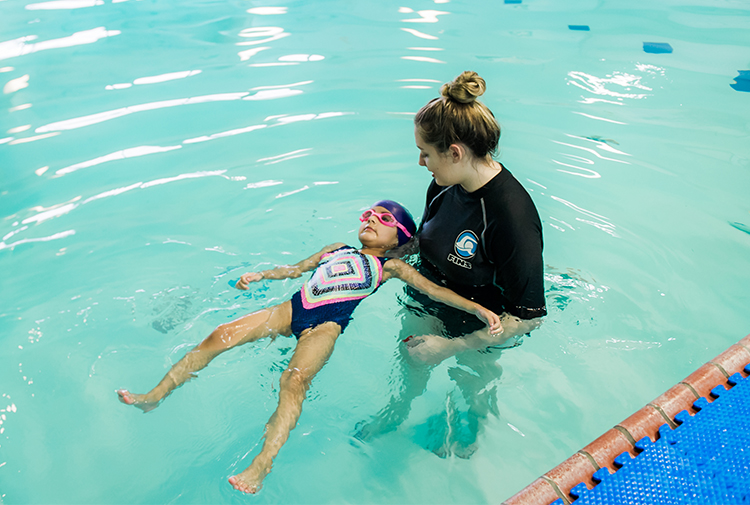
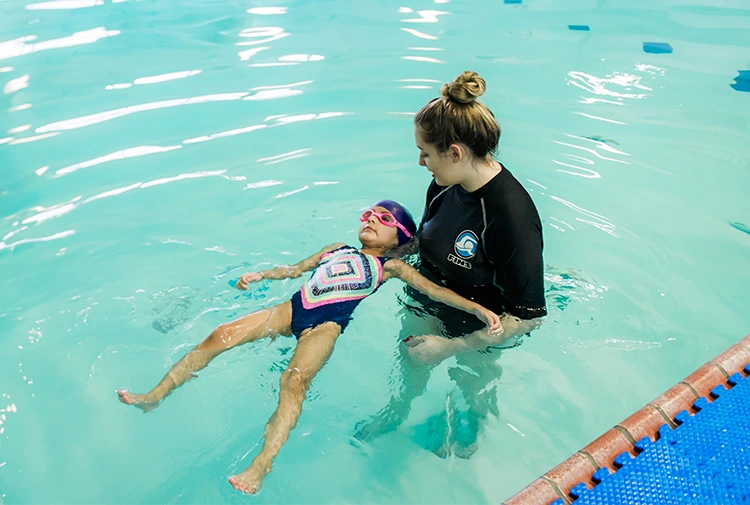
- Float and recover position
- Control their breathing
- Move with better coordination
- Enter and exit the water safely
One-on-one instruction focuses on your child's needs, providing immediate feedback and a structured approach. They build skills step by step instead of keeping up with a group.
Swim Safety at Home, Pools, and Public Water Spaces
Whether at home or on vacation, safety measures should match your environment.
While fences and active supervision are important, your child's ability to move and respond in the water remains one of the most reliable skills you can help them build. This is why structured, 1-on-1 swim lessons are a foundational part of a family's safety strategy.
By focusing on individualized skills rather than water play, children gain measurable progress and confidence, becoming "safer" in any environment.
Frequently Asked Questions
What are the most important water safety rules for kids?
Children should always be supervised, follow pool rules, and avoid entering the water without permission. Teaching basic safety habits early helps reduce risks around water.
At what age should a child start swim lessons?
At FINS, babies as young as 6 months can begin Parent & Child Swim Lessons to build water comfort and safety skills with a parent.
Are floaties or life jackets enough to prevent drowning?
Floaties are not a substitute for supervision or swim skills and can create a false sense of security. Properly fitted life jackets are helpful in open water but should still be used with close supervision.
How long does it take for a child to learn to swim?
The timeline varies based on age, comfort level, and lesson consistency. Most children build skills gradually through regular, structured practice.
Can a child drown in shallow water?
Yes, drowning can happen in any depth of water, even in shallow areas. That's why supervision and basic water safety skills are always important.
Start Building Safer Swim Skills with One-on-One Lessons
Helping your child feel more comfortable in the water starts with consistent, focused practice. One-on-one swim lessons give your child the attention they need to build skills at their own pace.
Book a private, 1-on-1 swim lesson in Texas today to support your child's progress in the water.