


Author: Jonathan Banks
Why Swim Safety Matters for Every Child
Many families love spending time around water, from pool days to family trips and outdoor adventures.
As a parent, keeping your child safer around water often means thinking beyond supervision and preparing them for real situations.
Swim safety is built through a combination of awareness, consistent habits, and the ability to move with control in the water. When these come together, your child is better prepared to handle different environments with more confidence.
Key Swim Safety Habits to Build Early
Establishing healthy water habits early helps reduce risks and sets a standard for safer behavior. These daily behaviors should become second nature for parents and swimmers.

Active Supervision at All Times
Younger swimmers should stay within arm’s reach whenever they are in or near water. This allows you to respond quickly if needed.
In group settings, assigning a designated watcher helps maintain consistent supervision. It also helps to avoid distractions like phones or side conversations, so your attention stays on your child.

Build Consistent Skills Through Structured Swim Lessons
Along with supervision, one of the most effective ways to build water competence is through a steady routine.
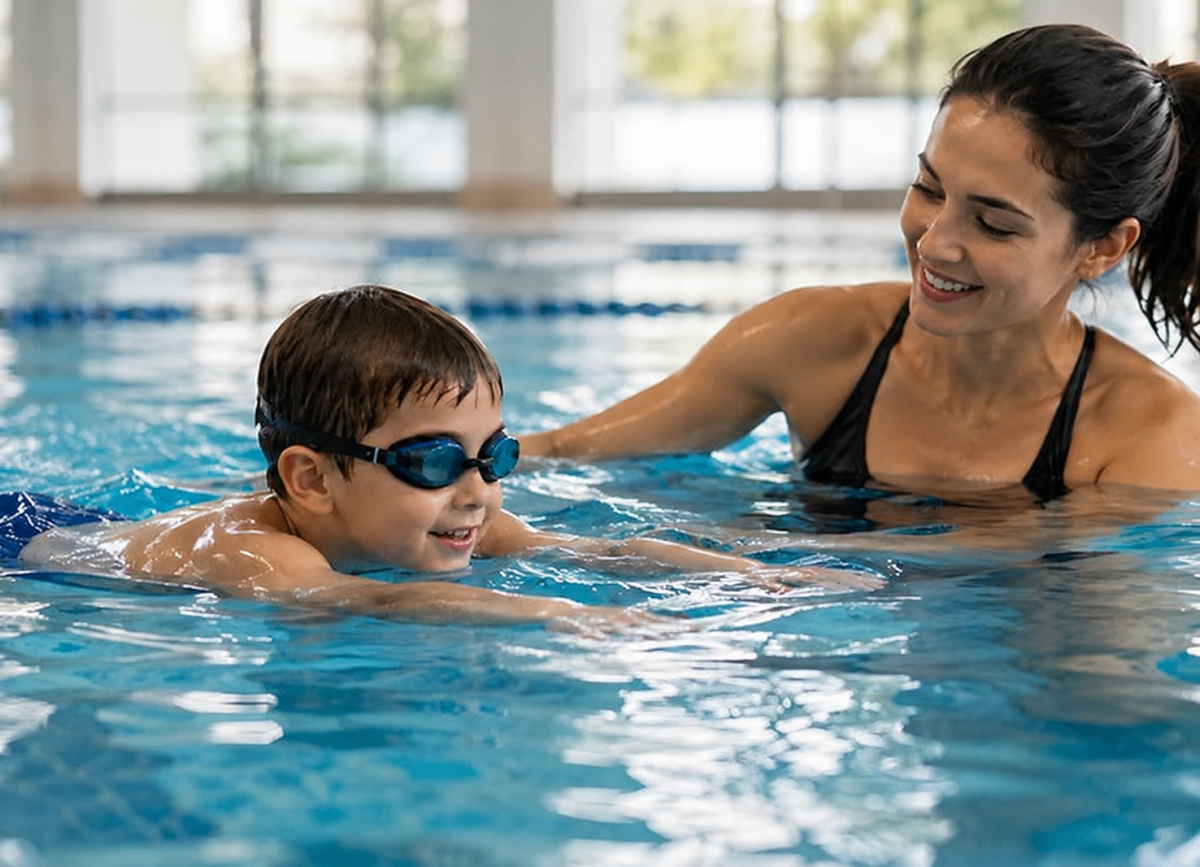
Many parents find that private, 1-on-1 swim lessons provide the focused, calm environment children need to really absorb skills.
It’s also normal for kids to forget or lose some of those skills over time (called swim regression), especially after breaks. Keeping lessons consistent helps reinforce what they’ve learned, so it becomes more natural when they’re back in the water.

Set Clear Water Rules
Children respond well to simple, repeatable rules. Clear expectations help reduce confusion across different environments.
You can start with:
- No running near pools: Helps prevent accidental slips on wet surfaces.
- Ask before entering: Ensures an adult is ready to supervise.
- Swim only with permission: Reinforces that water entry is never a solo activity.
Reinforcing these rules regularly helps your child follow them when it matters.

Learn to Recognize Risk Situations
Not all water environments are the same. Some require extra attention from you as a parent.
Pay closer attention around:
- Pools without barriers or secure gates
- Open water like lakes, beaches, or rivers
- Crowded swim areas where visibility is limited
Being aware of these situations helps you stay more prepared.
When to Start Swim Lessons & Why It Matters for Safety
Many parents choose to start swim lessons as early as 6 months, depending on their child's readiness. Early exposure can help your child feel more comfortable and less hesitant in the water.
As your child grows, lessons can introduce skills that match their development. This allows them to build comfort first, then gradually improve control and coordination.
Over time, consistent lessons help reinforce familiarity, routine, and safer responses in the water. Progress may be gradual, but steady practice supports stronger long-term habits.
How Swim Lessons Build Safer Skills in the Water
Formal lessons bridge the gap between being "comfortable" in water and being "competent." They give your child the opportunity to develop control and awareness, helping them respond more effectively in various situations.
As they practice consistently, your child may learn how to:
- Float and recover position
- Control their breathing
- Move with better coordination
- Enter and exit the water safely
One-on-one instruction focuses on your child's needs, providing immediate feedback and a structured approach. They build skills step by step instead of keeping up with a group.
Swim Safety at Home, Pools, and Public Water Spaces
Whether at home or on vacation, safety measures should match your environment.
While fences and active supervision are important, your child's ability to move and respond in the water remains one of the most reliable skills you can help them build. This is why structured, 1-on-1 swim lessons are a foundational part of a family's safety strategy.
By focusing on individualized skills rather than water play, children gain measurable progress and confidence, becoming "safer" in any environment.
Frequently Asked Questions
What are the most important water safety rules for kids?
Children should always be supervised, follow pool rules, and avoid entering the water without permission. Teaching basic safety habits early helps reduce risks around water.
At what age should a child start swim lessons?
At FINS, babies as young as 6 months can begin Parent & Child Swim Lessons to build water comfort and safety skills with a parent.
Are floaties or life jackets enough to prevent drowning?
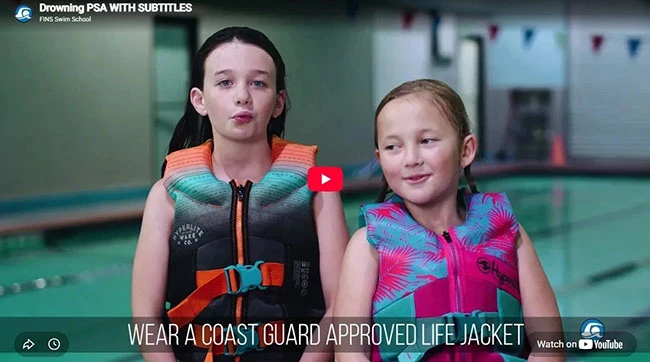
Floaties are not a substitute for supervision or swim skills and can create a false sense of security. Properly fitted life jackets are helpful in open water but should still be used with close supervision.
How long does it take for a child to learn to swim?
The timeline varies based on age, comfort level, and lesson consistency. Most children build skills gradually through regular, structured practice.
Can a child drown in shallow water?
Yes, drowning can happen in any depth of water, even in shallow areas. That's why supervision and basic water safety skills are always important.
Start Building Safer Swim Skills with One-on-One Lessons
Helping your child feel more comfortable in the water starts with consistent, focused practice. One-on-one swim lessons give your child the attention they need to build skills at their own pace.
Book a private, 1-on-1 swim lesson in Texas today to support your child's progress in the water.
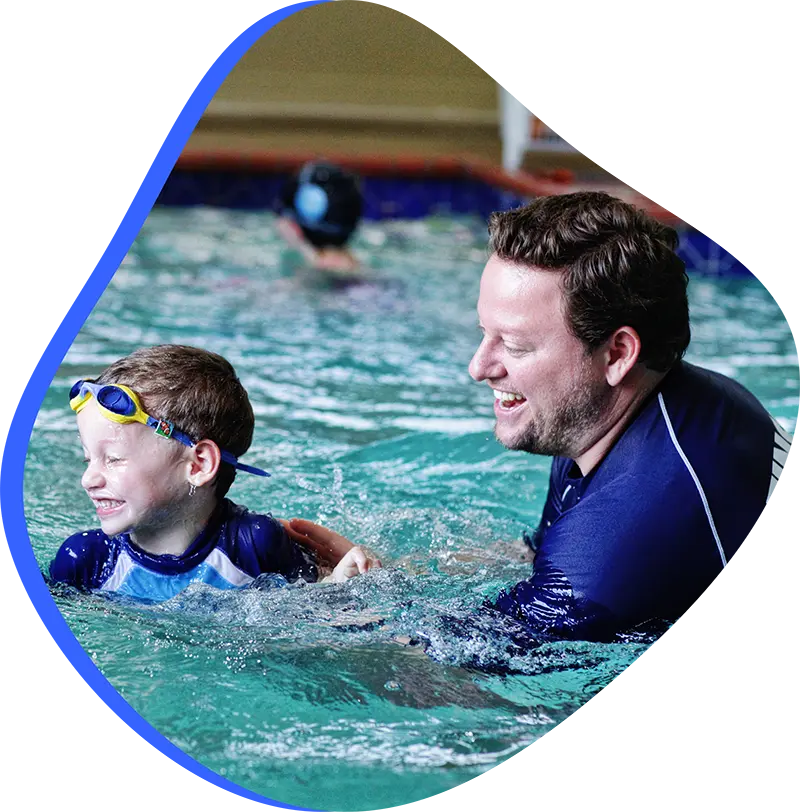
Start Swim Lessons with Confidence
Many children approach swim lessons with curiosity, while others take time to warm up to a new environment. Both reactions are normal.
Swim instruction is designed to meet children where they are, building comfort and safety first before focusing on technique. Rather than expecting immediate results, parents should view swim lessons for kids as a gradual process.
Confidence, consistency, and a positive experience matter more than speed. When children feel supported and unpressured, progress tends to follow naturally.
How to Prepare Your Child for Swim Lessons
Helping your child feel ready before their first lesson can make the experience smoother for both of you. A calm and encouraging approach often works best.
You can support your child by:
- Talking about lessons in a simple, positive way
- Letting them know what to expect without overwhelming them
- Introducing water through bath time or gentle play
- Keeping routines consistent on lesson days
These small steps can help your child feel more at ease and open to learning.
What to Expect Before, During, and After Swim Lessons
Knowing the flow of a typical swim lesson helps you stay organized and keeps your child calm.
BEFORE LESSONS
It's a good idea to aim to arrive at least 10 minutes early, so your child can settle in comfortably and get familiar with the sounds of the facility. This gives you a good opportunity to check in, make sure they're changed, and ready to enjoy the day.
DURING LESSONS
Lessons often begin with water comfort and move into simple, skill-based activities. Through guided practice and repetition, your child starts to build familiarity with floating, breathing, and movement.

AFTER LESSONS
When the session ends, have a warm towel ready. Your instructor will often give a quick update on the day's practice. To maintain momentum, praise your child for their effort, whether they mastered a new skill or just tried something new.
What Skills Kids Learn First
Early swim lessons focus on foundational water skills rather than formal strokes. These beginner skills help children feel secure and confident in the pool.
Common early skills include:
- Getting comfortable with water on the face and head
- Breath control through blowing bubbles
- Learning how to float and balance
- Moving safely toward the pool wall
- Responding to simple instructor cues
These basics create the foundation for stronger swimming ability and water safety as lessons continue.
Why 1-on-1 Swim Lessons Make a Difference
Every child learns differently, and their reactions to water vary from lesson to lesson. A personalized approach lets you adapt lessons to your child’s comfort and learning pace.
During individual lessons, your child has more time to practice, get feedback, and improve skills without feeling rushed.
Over time, this can lead to steady progress and help your child build confidence in the water.
Frequently Asked Questions
Are swim lessons worth it for kids?
Swim lessons help children become more comfortable in the water and introduce important safety skills. Over time, these skills support more confident and controlled movement.
How often should kids take swim lessons?
Many children benefit from lessons once or twice per week. Regular practice helps reinforce skills and maintain progress.
What should my child wear to swim lessons?
Children typically wear a swimsuit, towel, and swim diaper if needed. Some programs may recommend additional items as your child progresses.
How do I know if my child is improving?
Progress often shows in small ways, such as increased comfort or better movement in the water. These changes become more noticeable with consistent lessons.
Can my child learn to swim if they are nervous about water?
Yes, many children start out feeling unsure. A gradual, supportive approach helps them build comfort and confidence over time.
Help Your Child Get Started with Swim Lessons Today
Helping your child feel more comfortable in the water starts with the right support and a consistent approach. With a 5-lesson guarantee, your kid can confidently take that first splash toward independent swimming.
Book a private, 1-on-1 swim lesson today to start building water confidence.
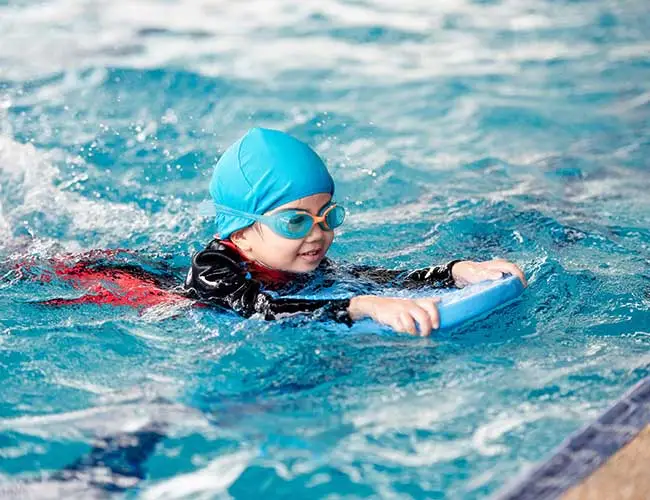
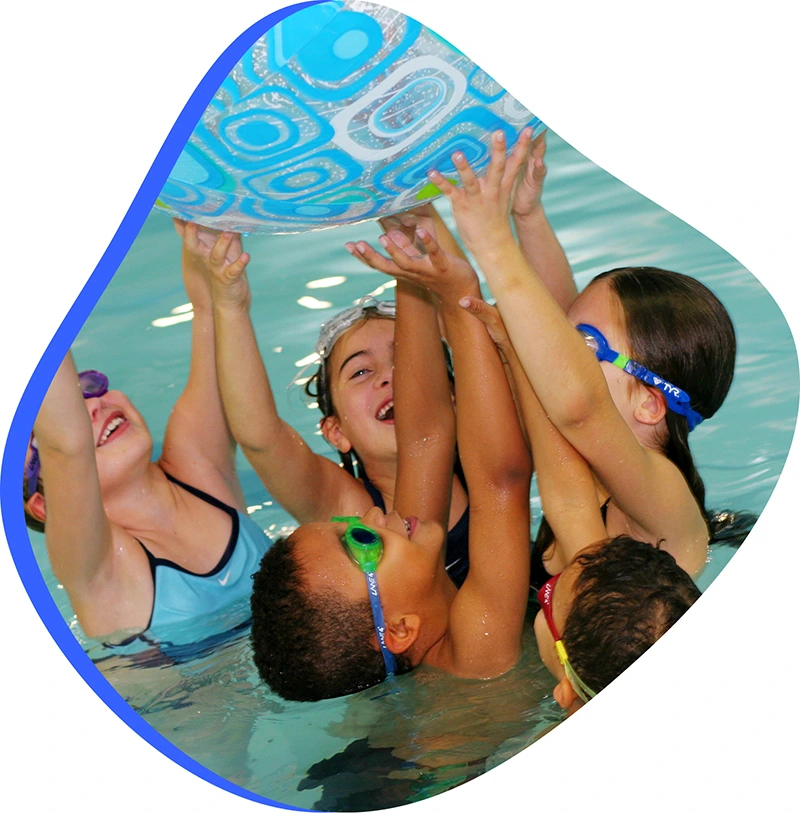
Why Start Swim Lessons Early
For many parents, early swim lessons are about helping their little one feel calm and comfortable around water. Starting early gives babies and toddlers time to build body awareness, confidence, and safer water habits in a gentle way.
At FINS, families can start with Parent & Child Swim Lessons for early water comfort, then move into private 1-on-1 instruction when swimmers are ready for more independence.
Tip 1: Make Water Time Positive and Fun
When you begin teaching your child or enrolling them in swim lessons, instructors will often tell you the same thing: Keep water time positive.
Smile, use gentle voices, and celebrate every little kick, splash, or happy wiggle.
Never force or rush the experience.
Tip 2: Practice Supported Floating
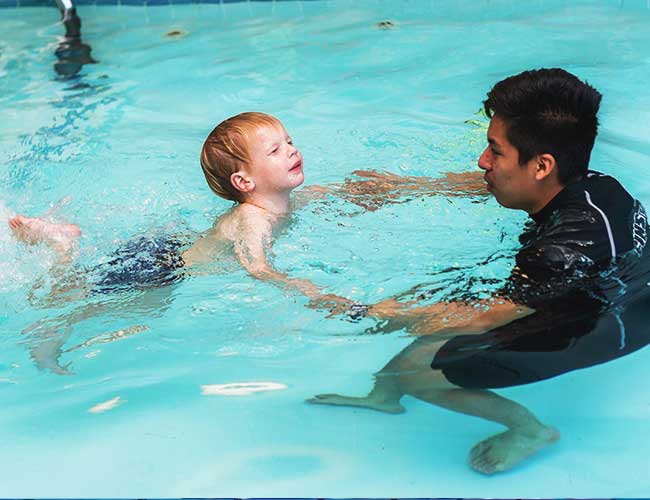
Supported floating helps little swimmers learn body control and comfort in the water. Infants can begin with gentle support, while toddlers can practice balance with patient guidance.
These small moments help build calm breathing, trust, and water awareness over time. Practice the same patient approach at home.
Tip 3: Build Strong Kicking and Leg Movement
When teaching your little swimmer, we always emphasize building strong kicking and leg movement early on.
During bath time or play, encourage those straight-leg kicks. This helps your child get used to moving their body in the water while keeping the experience light and fun.
Consistent practice with this simple step helps your child build a strong foundation.
Tip 4: Practice Breath Control Slowly
Breath control and comfortable submersion are skills we introduce gradually and always at your child’s pace.
We start with simple games like blowing bubbles or gentle face dips. Keep it calm and playful so your infant or toddler can get used to water near their face without feeling rushed.
Following the same patient approach at home makes a big difference.
Tip 5: Choose the Right Swim Lesson Path
Choose a swim lesson that fits where your child is right now.
Parent & Child classes are a gentle start for early water comfort, while private 1-on-1 lessons are a good next step when your swimmer is ready to build more independence.
How Early Swim Skills Support Safer Water Experiences
As your child builds early swim skills, they become more comfortable and aware in the water. Over time, this helps them move with better control and respond more calmly in different situations.
These small steps support FINS Swim School’s bigger mission: teaching the Art of Swim in a fun, supportive way while helping swimmers build safer water habits.
Frequently Asked Questions
Are infant swim lessons worth it?
Infant swim lessons can help build early comfort in the water and introduce basic safety habits. Over time, consistent exposure supports confidence and familiarity.
How often should babies or toddlers have swim lessons?
Many programs recommend lessons once or twice per week for consistency. Regular practice helps reinforce comfort, routines, and early skills in young children.
What should my child wear to swim lessons?
Most infants and toddlers wear a swim diaper and a comfortable swimsuit. Some programs may also recommend goggles or other basic gear as your child progresses.
Can toddlers be afraid of water even after lessons?
Yes, it is normal for toddlers to go through phases of hesitation or fear. Staying consistent and keeping experiences positive can help them regain comfort over time.
Do parents get in the water during infant swim lessons?
Yes. In Parent & Child Swim Lessons, a parent or caregiver gets in the water to support the child and help create a familiar, reassuring experience.
See the FINS Difference in Your Growing Swimmer
Helping a child become more confident in the water is a journey built on trust, fun, and steady support.
Find the right FINS program for your kids today and start the journey toward becoming a safer, more independent swimmer.
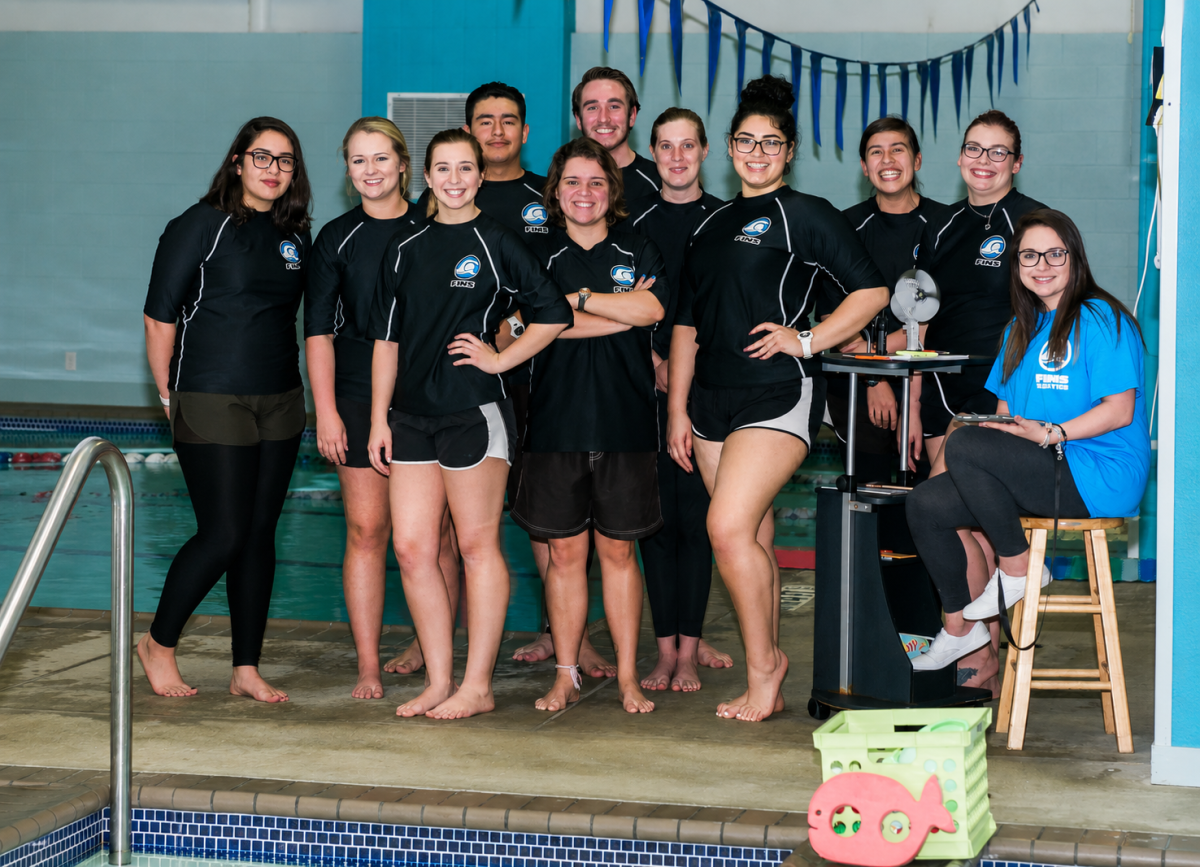
Why Swim Schools Are More Than Just Swim Lessons
Swim schools have quietly become some of the best community hubs in neighborhoods across North Houston.
For many families, they are more than a place to learn strokes. They are spots where kids make friends, parents chat in the lobby, and everyone leaves feeling a little more connected to the people around them.
At FINS Swim School, a family-owned business for over 25 years, the community has grown naturally. What began as swim lessons has expanded into festivals, birthday celebrations, fitness classes, and family-friendly activities.
How Swim School Community Events Bring Families Together
Beyond weekly lessons, community events offer families more ways to connect with the space and with each other. They create moments for kids to enjoy water in new ways and for parents to feel more involved.

Local Festivals and Community Events
These kinds of events give your child a chance to enjoy the water without the structure of a lesson. It feels more relaxed, which helps kids open up and have fun.
For parents, it’s a chance to step back a bit and see your child in a different setting, one that still feels familiar.

Birthday Parties That Create Lasting Memories
Pool parties are a simple way to celebrate without having to plan everything yourself.
Kids get to enjoy the water with their friends, and it feels a little different from their usual lesson time. Because it’s a space they already know, many kids feel more comfortable jumping in and joining the fun.

Aqua Fitness Classes for Adults and Families
If you’re looking to stay active, aqua fitness offers a gentle way to move your body without adding extra stress. Plus, having a class in the same place where your child is learning makes it more convenient.
It creates a warm, family-friendly atmosphere that feels more like sharing an experience together than just dropping off and leaving.
Benefits of Community‑Focused Swim School Activities
When swim schools emphasize connection alongside instruction, families experience benefits that go well beyond the pool.
Community‑focused activities help:
- Build friendships with other local families
- Make special memories without the stress of planning everything yourself
- Stay active together in a safe, comfortable environment
- Feel more connected to your neighborhood and community
These shared experiences often become the highlight of the season for both kids and parents.
Creating a Supportive Swim Community for Every Family
When a place feels familiar, kids are more at ease exploring new activities, which encourages engagement and confident learning.
For parents, it's reassuring to know that your child is in a supportive environment where they are encouraged without feeling rushed.
This steady, nurturing experience can genuinely make a positive impact over time.
Frequently Asked Questions
What types of events do swim schools usually offer?
Swim schools often host seasonal events, family swim activities, and community gatherings. Some also offer birthday parties and fitness classes for different age groups.
Are swim school events open to families who are not enrolled?
Some events may be open to the local community, while others are designed for enrolled families. Availability usually depends on the event's location and type.
Can swim school events help my child feel more comfortable in the water?
Yes, activities outside regular swim lessons can help children become familiar with water in a low-pressure setting. This can support their comfort during regular lessons.
Are there options for parents to participate in activities?
Many swim schools offer programs like aqua fitness or family-focused events. These allow parents to stay active and involved.
Do community events replace swim lessons?
No, events are meant to complement lessons, not replace them. Lessons provide structured skill development, while events help reinforce comfort and familiarity.
Explore Swim School Events and Activities Near You
From community festivals to fitness classes and family celebrations, swim schools offer meaningful opportunities to connect beyond the pool.
Explore events and activities near you and discover how your local swim school brings families together year-round.
Why Water Comfort Is Only the First Step
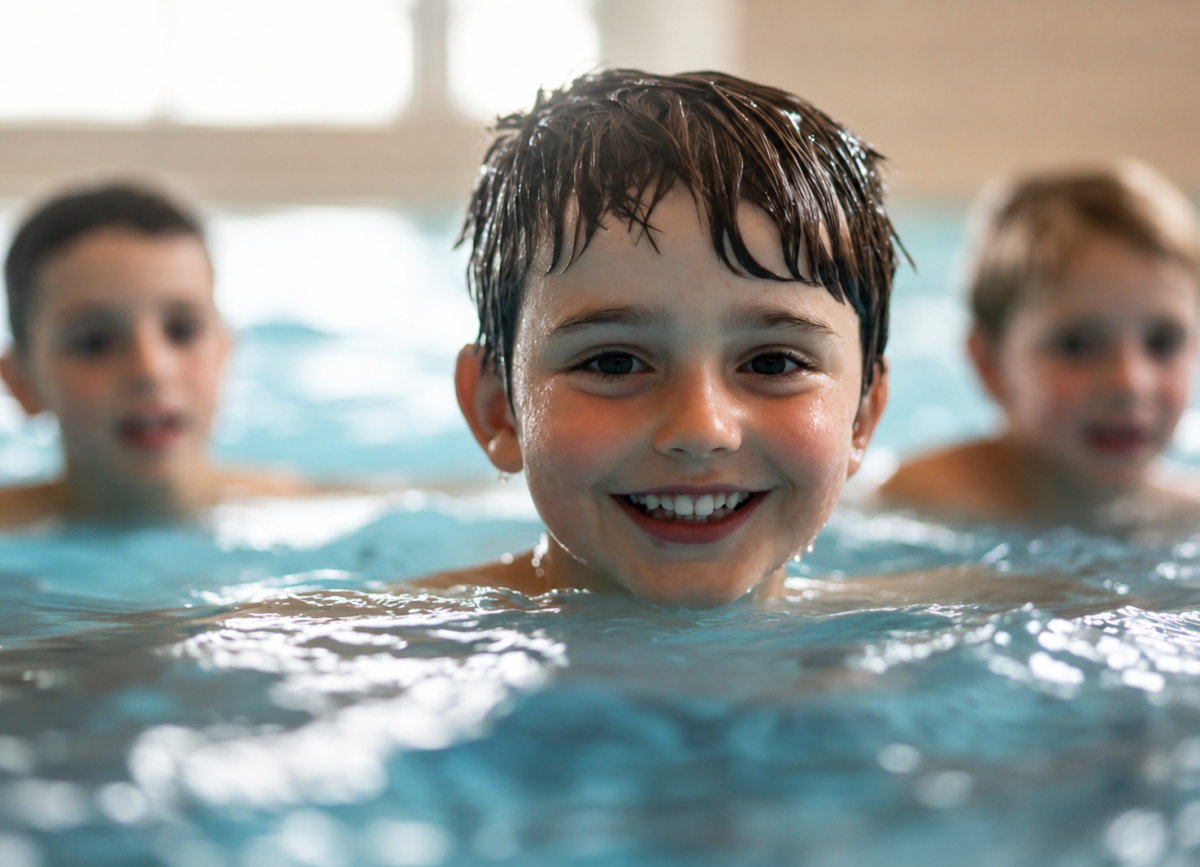
For parents, seeing a child smile, splash, and enjoy the pool is a big win. It shows that the water is starting to feel familiar rather than overwhelming.
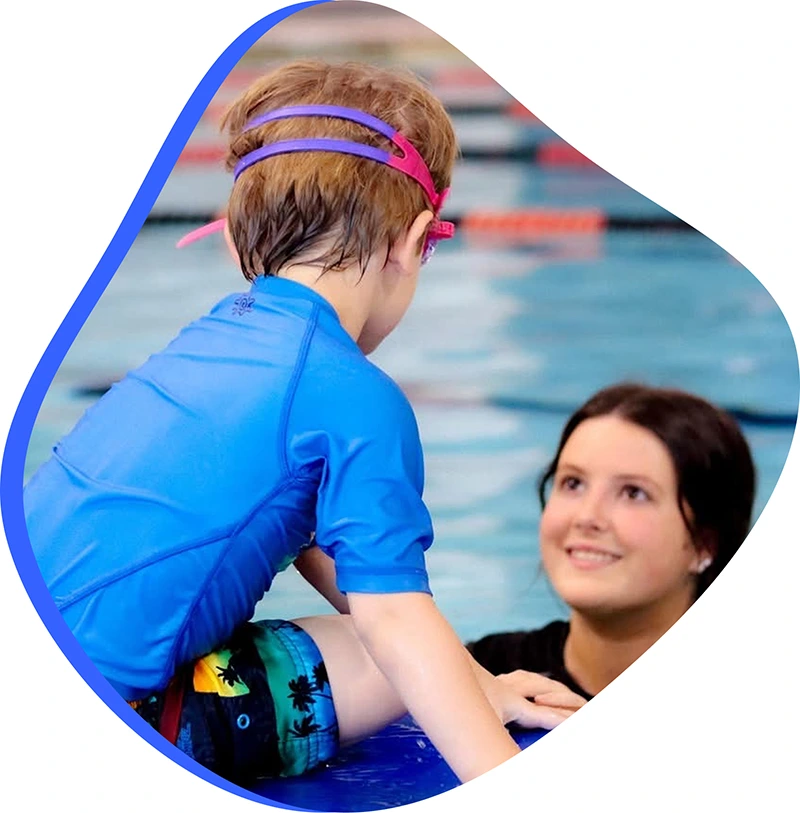
But real competence comes from what happens next. As kids move beyond early water comfort, private 1-on-1 swim and safety lessons help them move beyond just "playing" to becoming genuinely confident and capable swimmers.
Comfort vs. Competence in the Water
It’s common for kids to feel comfortable in the water before they can actually swim. They may enjoy playing, jumping in, or moving around with support.
Competence looks different. It means your child can:
- Stay afloat with control
- Manage their breathing
- Move intentionally through the water
- Recover their position when needed
Understanding this difference helps set clearer expectations. Comfort is a great start, but competence supports safer, more independent movement.
How Kids Actually Learn to Swim
Children learn to swim step by step, not all at once. Each skill builds on the one before it, and repetition plays a big role in making those skills feel natural.
At first, your child may focus on simple movements and getting used to the water. Over time, those small steps turn into more coordinated actions and better control.
Progress can look different for every child. Some move quickly, while others take more time. What matters most is consistent practice and a supportive environment that allows your child to build skills at their own pace.
Core Skills That Build Real Swim Ability
Real swim ability comes from a combination of foundational skills that work together. These are the building blocks that help your child swim more confidently and with better control.
Key skills include:
- Floating on the front and back
- Controlling breathing in the water
- Kicking and coordinating movement
- Entering and exiting the water safely
- Swimming short distances independently
Each of these skills takes time to develop. With regular practice, your child begins to connect them and move more naturally in the water.
Why Confidence Comes from Skill, Not Just Exposure
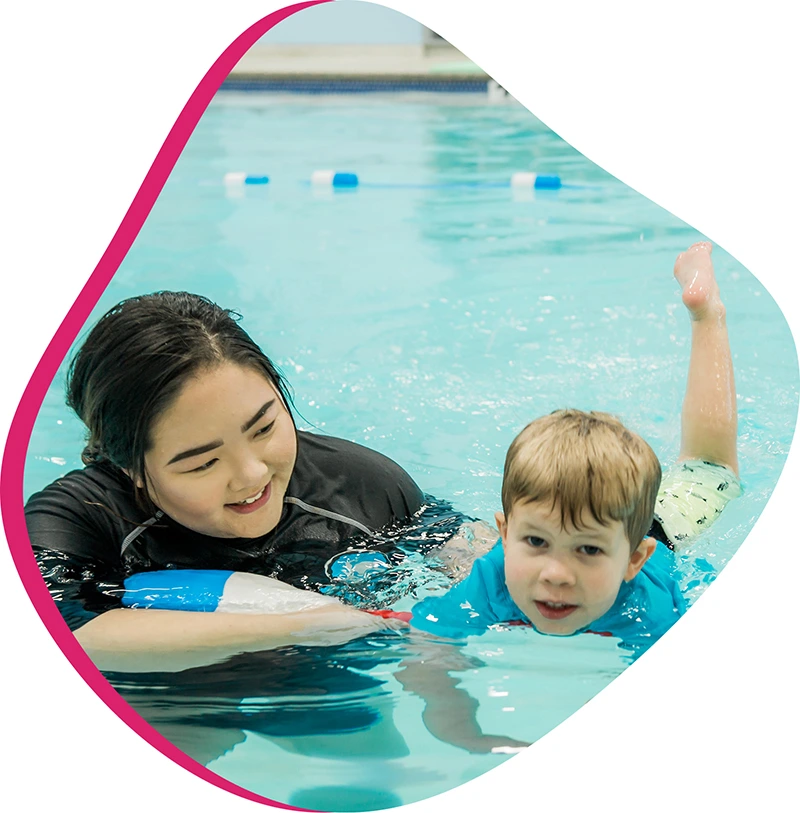
Real confidence grows when kids know they can handle themselves in the water.
Exposure alone may create temporary comfort, but actual skills create lasting self-assurance that carries into every pool, lake, or beach experience. This skill-based confidence supports the mission to teach the art of swim in a safer and fun manner.
Because drowning is preventable, equipping kids with real competence is the most powerful layer of protection a parent can provide.
Frequently Asked Questions
How long does it take a child to learn to swim?
Every child learns at a different pace, depending on age, comfort level, and consistency. Regular lessons over time help build stronger and more reliable skills.
At what age should kids start swim lessons?
Many children can begin swim lessons as early as 6 months, with more structured learning developing as they grow. Starting early helps build comfort and familiarity in the water.
How often should kids take swim lessons?
Most children benefit from lessons once or twice per week. Consistency helps reinforce skills and supports steady progress.
Can kids learn to swim without formal lessons?
Some children may learn basic skills over time, but structured lessons provide guidance, consistency, and skill progression. This helps build more reliable and complete swim ability.
What makes a child a strong swimmer?
A strong swimmer can float, control their breathing, and move independently with confidence. It also means they can respond calmly in different water situations.
Help Your Child Build Real Swim Skills That Last
Building real swim skills takes time, consistency, and the right kind of support.
Start your child’s progress with structured lessons designed to help them move confidently and in control in the water.